Fence Maintenance Tips for Every Season: Keep Your Fence Looking Its Best All Year
Regular seasonal fence upkeep is essential for protecting both the lifespan and visual appeal of outdoor fencing installations. Consistent evaluations and upkeep can guard against climate-induced deterioration and pest-related issues. Each time of year introduces specific hurdles and duties that need addressing. Understanding these seasonal responsibilities can greatly enhance your fence's durability and aesthetic appeal. Unfortunately, numerous property owners neglect these critical routines. Therefore, what targeted actions should be taken to keep a fence in optimal condition across all seasons?
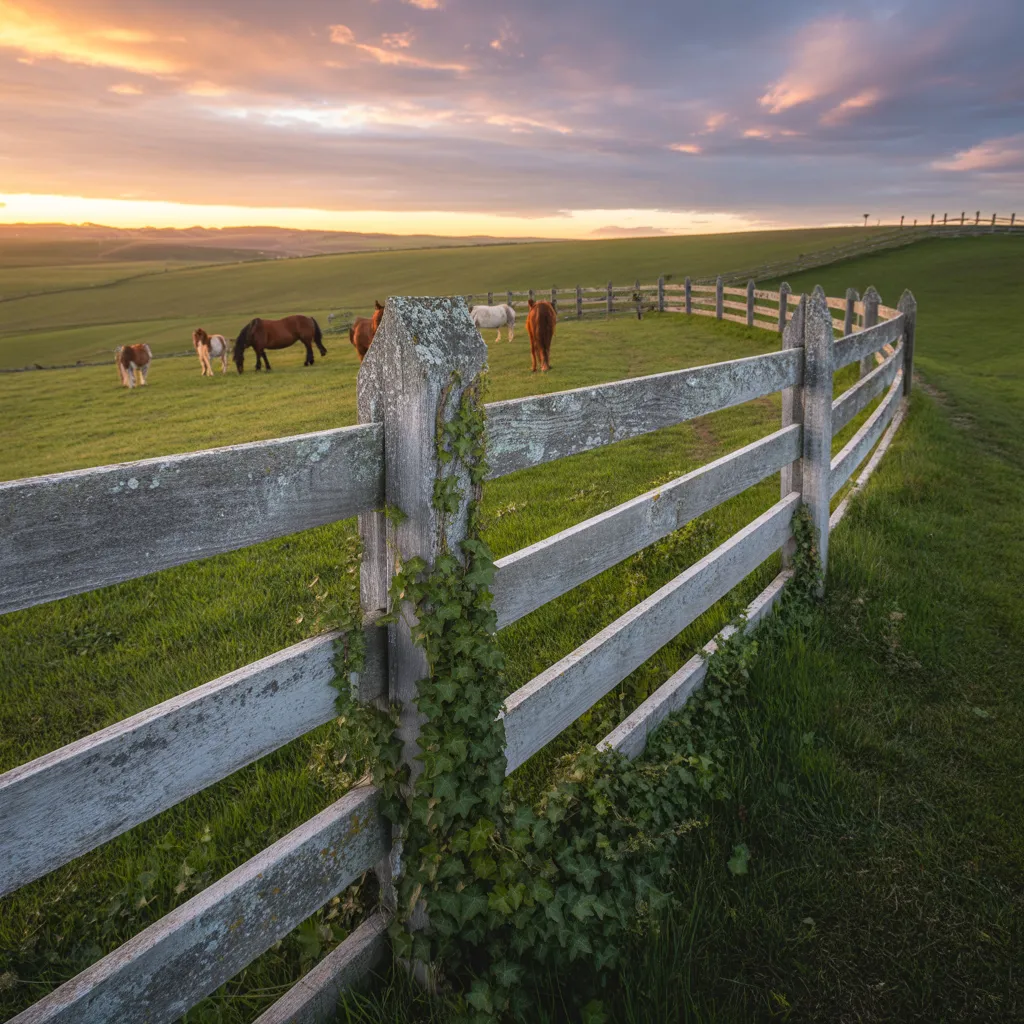
How Seasonal Fence Care Is Key to Long-Term Durability and Curb Appeal
Seasonal fence upkeep represents a dedication to maintaining both the longevity and aesthetic quality of outdoor fencing installations. Routine care is vital in guarding against deterioration from environmental factors, insects, and general wear. When it comes to wooden fences, applications like protective coatings and staining defend against water damage and decay, significantly prolonging their service life. Metal fences benefit from routine checks for oxidation or corrosion, that, if ignored, can ultimately cause significant structural damage.
Furthermore, a regularly maintained fence improves the general appearance of a residence, creating a polished look that complements the surrounding landscape. Seasonal checks enable timely repairs, making sure that small problems do not escalate into costly replacements. By emphasizing seasonal maintenance, homeowners not only safeguard their investment but also add to the overall charm and value of their estate. Routine maintenance ultimately reflects a homeowner's devotion to their exterior property, cultivating a hospitable environment for family members and guests.
Spring Cleanup: Your Essential Fence Maintenance Checklist
As the winter season fades into spring, property owners should make a priority of a detailed fence maintenance checklist to ensure their outdoor structures stay in top condition. First, a detailed inspection of the fence is necessary. Residents should inspect for loose boards, rust, and any signs of damage or decay. Furthermore, debris removal is vital; sweeping away leaves, dirt, and other waste prevents moisture buildup that could compromise the fence's integrity.
Cleaning is the following phase. A mild power rinse or scrub with soapy water can remove grime and mildew. After cleaning, residents should determine if a fresh coat of paint or stain is needed to guard against upcoming environmental conditions. Additionally, examining the fence posts and ensuring they are secure will improve longevity. Finally, resolving any overgrowth concerns, such as encroaching vegetation, helps confirm the fence remains accessible and well-maintained throughout the year.
Summer Maintenance: Shielding Your Fence From Sun Damage
In the summer months, routine upkeep is vital for protecting a fence's strength against intense sun exposure. Prolonged sunlight can cause materials like wood to fade, warp, or crack, compromising both appearance and durability. To preserve a wooden fence, periodic staining or sealing is suggested. This not only improves appearance but also forms a barrier against UV rays.
For vinyl and metal fences, washing with a gentle detergent and water will prevent rust and discoloration. Furthermore, inspecting for any damage, like loose boards or areas of rust, enables timely repairs before problems escalate. It is also beneficial to cut back surrounding vegetation to minimize shading and moisture retention, all of which can compromise the fence's condition. By applying these see now warm-weather care practices, property owners can ensure their fences stay durable and attractive throughout the season.
Preparing Your Fence for Winter: Essential Fall Tasks
Taking a proactive stance on fence maintenance in the fall can considerably increase its longevity and usefulness through the winter months. Homeowners should begin by thoroughly inspecting the fence for damage, such as cracks, loose boards, or rust. Needed repairs should be completed without delay to prevent further deterioration. Cleaning the fence is also essential; eliminating dirt, mold, and debris preserves its look and deters pest infestations.
Moreover, utilizing a protective sealant or stain offers defense against moisture and cold temperatures. For wooden fences, trimming back any overhanging branches guarantees that snow and ice do not accumulate on the structure, reducing the risk of damage. Finally, securing or reinforcing any loose posts will help the fence withstand harsh winter conditions. By taking these essential steps in the fall, homeowners can guarantee their fences remain sturdy and visually appealing throughout the winter season.
Preparing Your Fence for Winter: Essential Steps for Protection
Getting a fence ready for winter calls for thorough attention to its condition and safeguarding measures. Property owners ought to begin by checking for any deterioration that may have taken place throughout the year, ensuring that repairs are made promptly. After completing this evaluation, adding protective coatings can assist in defending the fence from severe winter conditions.
Examine For Damage
Checking for damage is crucial as the colder months approach, guaranteeing that fences continue to be durable and effective. Homeowners should conduct a thorough examination of their fences , searching for indicators of deterioration like cracks, decay, or pest damage. Pay particular attention to the base of wooden posts, where moisture accumulation can lead to deterioration. Metallic fencing structures are prone to rust and corrosion, as vinyl alternatives are susceptible to becoming fragile in harsh winter conditions. Any loose planks or sections should be detected and addressed to avoid additional deterioration in severe conditions. Regular inspections not only enhance the fence's lifespan but also maintain the property's overall aesthetic. Tackling concerns without delay can minimize the time and money spent on more significant repairs in the future.
Implement Protective Coatings
After identifying any damage during inspections, applying protective coatings serves as a vital step in winterizing the fence. This procedure entails picking the suitable product according to the fence material, be it wood, vinyl, or metal. For wooden fences, a superior sealant or stain can prevent moisture penetration and inhibit rot. Metal fences benefit from corrosion-resistant paint, which defends against corrosion. Vinyl fences may require specific cleaners combined with a UV protectant to maintain their appearance. Appropriate application techniques, like using brushes or sprayers, guarantee an even coating. Ensure enough drying time before winter weather sets in, since this improves the coating's effectiveness. Overall, protective coatings greatly extend the durability and appearance of fences throughout harsh winter conditions.
Recognizing and Resolving Common Fence Issues
Preserving the condition of a fence necessitates careful attention to identify and address frequent concerns before they escalate. Property owners should periodically check their fences for signs of damage, such as rust, rot, or loose boards. Unsecured planks can be quickly addressed by securing loose fasteners or swapping out worn components, while oxidation on metallic fence panels may necessitate sanding and repainting.
In addition, it is necessary to look for leaning or sagging posts, which can signal a damaged foundation. If discovered, homeowners may need to stabilize or reposition the posts to return the structure to a stable condition.
Another common issue is the existence of pests, such as termites and carpenter bees, which can damage wooden fences. Early detection and treatment are vital to minimize extensive damage. Routine fence cleaning and maintaining adequate drainage can also reduce moisture-related issues. By remaining proactive, homeowners can extend the lifespan and look of their fences.
Selecting Effective Treatments and Sealants for Your Fence Material
Tackling frequent fence issues creates a foundation for proper upkeep, which involves choosing suitable treatments and sealants designed for particular materials. Timber fences, in particular, thrive with penetrating sealants that protect against moisture harm and discourage pests. A premium stain can improve visual appeal while providing defense against harmful UV rays.
Vinyl fences, by contrast, demand less rigorous upkeep; a simple wash with soap and water is often sufficient. With metal fences, anti-rust paint or sealants are critical for maximizing their durability, as they guard against corrosion.
It is essential to consider environmental factors when choosing treatments. In locations where humidity is high, for example, mildew-resistant treatments may be required. In the end, selecting the appropriate treatment not only maintains the fence's aesthetic but also strengthens its resilience, ensuring that it withstands seasonal changes effectively.
Knowing When to Get Help From a Fence Pro
At what point should homeowners think about seeking the assistance of a fence expert? There are several key indicators that indicate that professional help may be necessary. To begin, if a fence shows significant signs of wear, such as severe leaning, large cracks, or extensive rot, a professional can assess the damage and recommend appropriate repairs or replacements. Furthermore, if the fence needs intricate alterations or installations—like installing gates or increasing height—an expert's knowledge will guarantee compliance with local regulations and maximum functionality.
Additionally, homeowners who struggle with persistent pests, like invasive plants or termites, could greatly benefit from the targeted treatment strategies of a professional. Lastly, should a homeowner find the upkeep too demanding or lacks the necessary tools and skills, bringing in a fencing professional will save time and ensure exceptional quality. All things considered, being aware of these signs enables homeowners to preserve their fences at their best.
Questions We Hear Often
How Often Should I Inspect My Fence for Damage?
Periodic fence evaluations should occur a minimum of two times annually, preferably during the spring and fall seasons. Extra evaluations are suggested following intense weather conditions to swiftly recognize and handle any potential damage.
What Fence Materials Require the Least Maintenance?
Vinyl and aluminum fences require the least maintenance because of their long-lasting nature and ability to resist rot, rust, and fading. Such materials usually only call for occasional cleaning, which makes them an excellent option for those seeking low-maintenance fencing solutions.
Can I Paint My Fence Any Time of Year?
Painting a fence can be done year-round, but optimal conditions are found during mild, dry weather. High humidity or extreme temperatures may impact paint adhesion and drying time, potentially leading to an uneven finish or peeling later.
How Does Weather Impact Fence Maintenance Schedules?
Weather factors considerably influence fence upkeep timelines. Wet conditions and humidity can push back painting or staining, whereas intense heat can lead to material warping. Changes across seasons call for adjustments in upkeep timing to guarantee ideal care and longevity.
What Tools Are Needed for Basic Fence Maintenance?
Proper fence upkeep calls for some important equipment: a power washer or hose, brushes, stain or paint application tools, a reliable hammer, nails and fasteners, a carpenter's level, and proper safety equipment. These tools guarantee effective upkeep and prolong the fence's lifespan.